


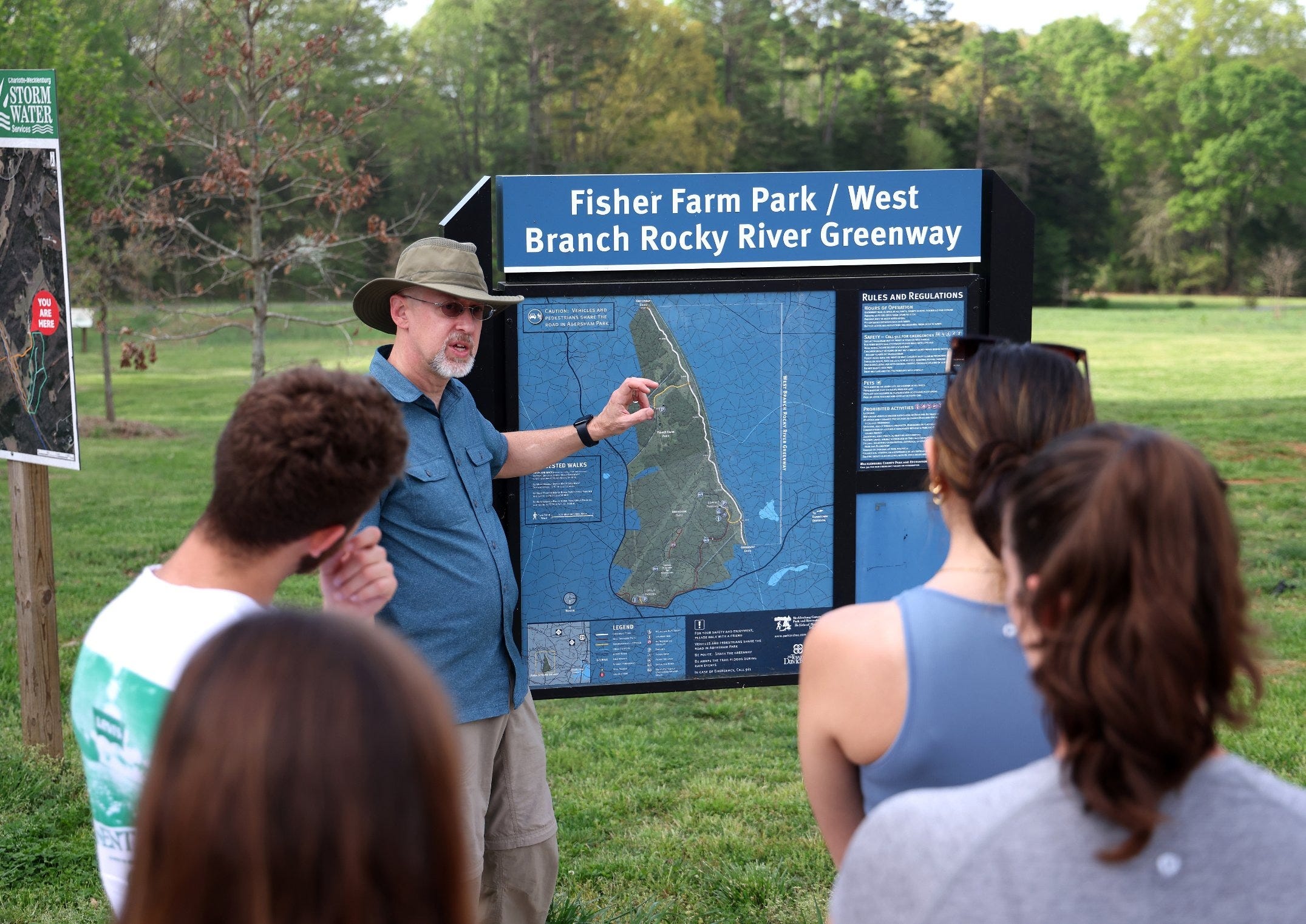
There is a certain kind of energy you feel around some professors: it’s not loud or showy, but steady. Dr. Paradise has that steady energy, and an undeniable passion for his field that I felt when I spoke to him. After nearly thirty years of teaching biology at Davidson, Dr. Chris Paradise still seems to be moving towards something new: a new question, a new project, a new place to learn from.
When I asked Dr. Paradise to describe himself in a word, he had a difficult time choosing one, but eventually landed on: “Driven.” It felt both honest and earned; it was his drive that has gotten him so far. He worked hard, took chances, and always went through the doors that opened.
The Outdoors
Dr. Paradise’s love for nature began early. Growing up in the Albany-Saratoga area of upstate New York, some of his most meaningful young memories took place in his grandparents’ little cabin in the Adirondack Mountains.
He described how he spent many of his summers “hiking and fishing and swimming in the lake.” He added, “I think that’s really where I fell in love with the outdoors.”
Those good memories led to what came next. Ever since his childhood, he was fascinated by animals and their behavior. “I knew when I went to college that I wanted to be a biology major,” he said.
Yet, he was less sure what he wanted to do with that degree. His parents, who had not gone to college themselves, tried to guide him as best they could.
“They didn’t really know how to help me,” he remarked. “So they said, ‘Well, you’re interested in biology, you should become a doctor.’”
So he began college on the pre-med track.
A “Light Bulb” Moment
Dr. Paradise’s path was never a paved straight line. Even though he was confident in his choice of biology from early on, his direction changed as he took various classes.
He described having a “pretty dismal experience” in organic chemistry—something most Davidson STEM majors might relate to—which made him question whether medicine was the right path.
“I decided, well, ‘I don’t think I’m even going to get into med school,’” he remembers saying to himself.
Then, in the spring of his junior year, everything shifted.
“I happened to take a course in ecology, and it was like a light bulb went on in my head… I decided, this is what I want to do. This is what I love.”
He still remembers that ecology class and reminisces about how “that professor… really had an impact” on him.
After that, he pursued field biology and independent research, learning about squirrels one semester and birds another. He also found himself drawn into a field he had never expected: insects.
Finding a Niche (And Sticking With It)
In graduate school at Binghamton University, he was introduced to a mentor who changed the direction of his research for good.
“I wasn’t even interested in insects until I got to graduate school, but my professor was doing research on insect-plant interactions,” he told me.
She convinced him to try an insect-focused project, specifically predator-prey interactions.
“That’s what I did,” he said, “and it worked out so well… it was a completely new area… and I was stuck with it.”
From there, his academic and professional path grew. He continued to work with insects while earning both his master’s and PhD, and his research focus and questions evolved within that over time.
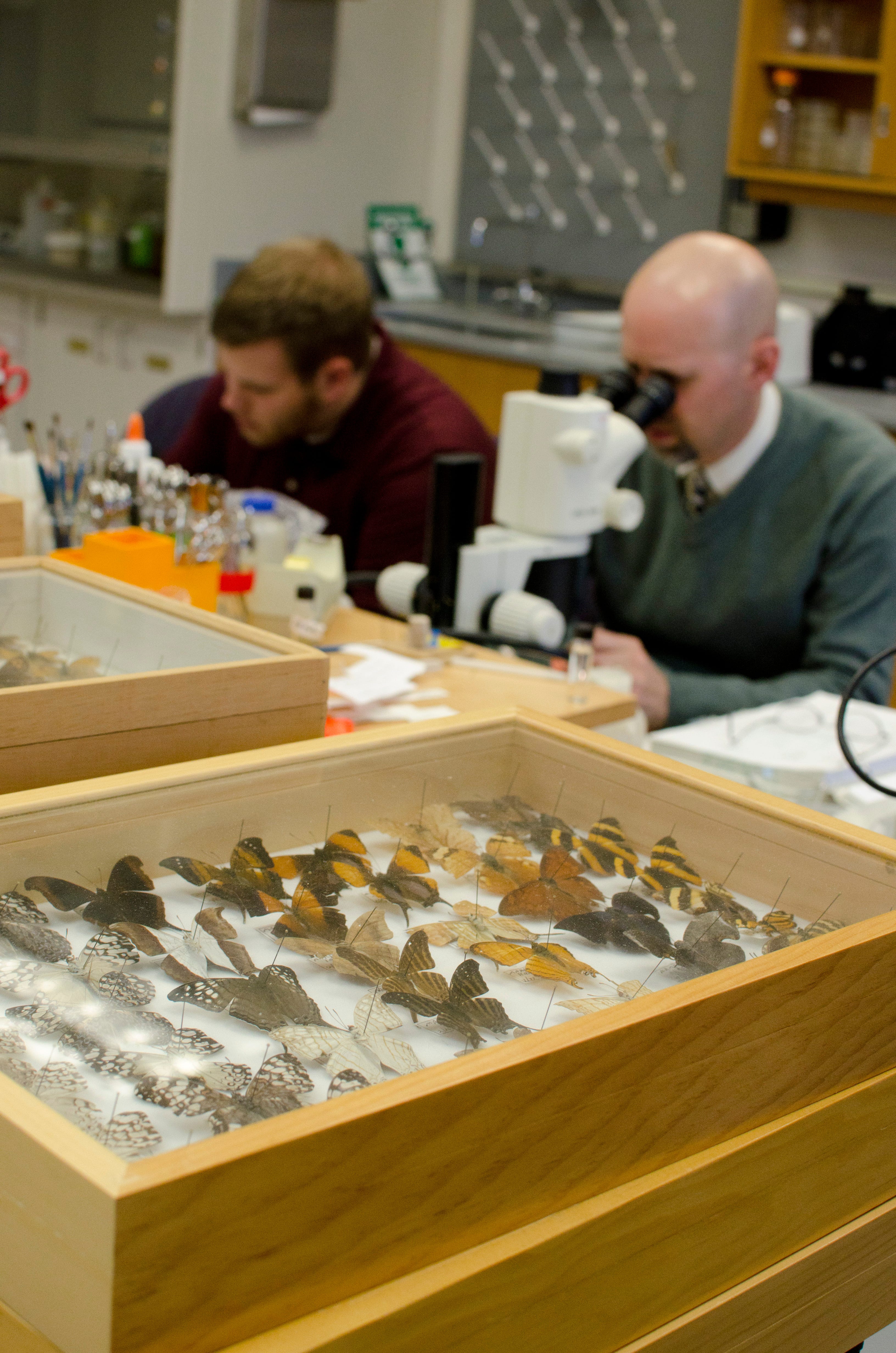
Becoming a Professor … Without Planning To
One of the most honest parts of Dr. Paradise’s story is that he never pretended he had a perfect master plan.
“When I went to grad school, I never intended to become a professor,” he said. “That wasn’t the end goal.”
At the time, what he loved most was research. His original vision was to work for the government, perhaps the EPA or the Forest Service, or even go into environmental consulting.
However, after earning his master’s, he applied for those jobs and didn’t land one. Instead, he took a position at Penn State that involved “setting up labs for Introductory Biology and teaching.” To his surprise, he discovered something new about himself: “I just enjoyed the teaching so much,” he said. He had taught labs before as a TA, but it wasn’t until Penn State that he realized how much teaching actually meant to him.
“I thought, ‘Oh, well, I’m pretty good at this, and I like doing it.’” So he stayed at Penn State, shifting from teaching there to studying for his doctorate because he knew that if he “wanted to teach at the university level, [he] needed to get a PhD.”
Research Close to Home
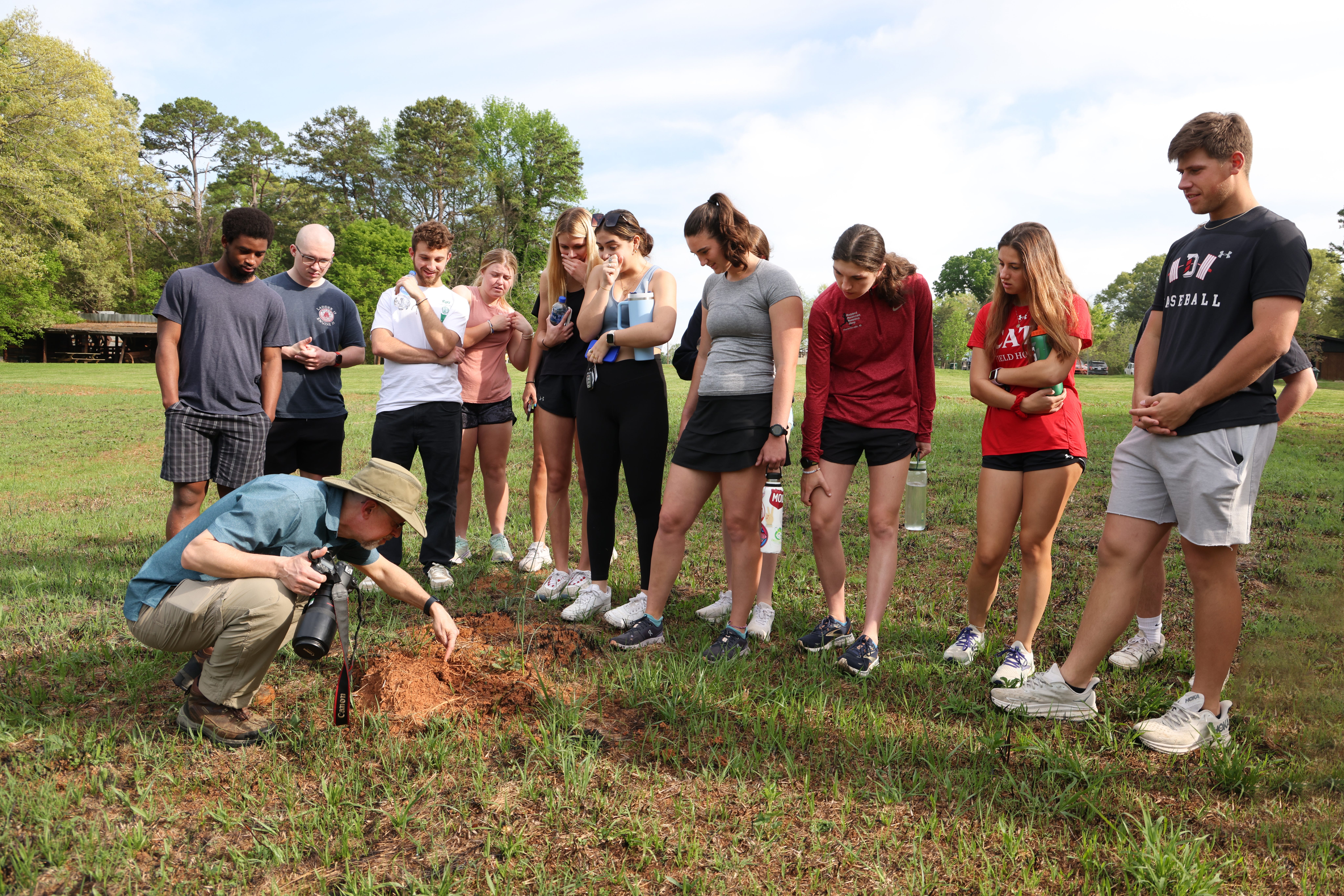
Today, Dr. Paradise’s research centers on aquatic insects. One of his projects studies aquatic insects in a local river and examines the effects of stream restoration.
“They’re trying to restore the stream and the riparian zone… but to do that, they have to disturb the stream pretty heavily,” he said. “I’m interested in what the impacts are on the insects that are living in the stream.”
The project is meaningful not only scientifically, but also because it connects students to real land and stakeholders. He works with the county, the town of Davidson, and the Davidson Lands Conservancy since the stream runs through parks managed by them.
Dr. Paradise’s students are “interested in the data that [they’re] collecting,” partly because the project is so accessible for them. “It’s a great project for students because it’s fairly easy to do… It’s fairly easy to identify them [the insects]… so it’s really amenable to undergraduate research,” he said.
His other ongoing project shifts from water to land: monitoring insects and spiders in a field where the native prairie is being restored. He tracks biodiversity over time and analyzes what changes happen to the community living there.
And yes, he kept the scientific boundaries firm (as he does in his class).
“Spiders are not insects,” he reminded me, smiling but serious.
India: Life-Changing Experience
Dr. Paradise never studied abroad as an undergraduate. But much later in life, Davidson gave him a chance to—as a professor.
He became friends with Job Thomas, a former history professor who ran the Davidson in India program, which no longer exists. Thomas invited him on the trip and later asked him to run the program, something Dr. Paradise ended up doing twice.
“That was really life-changing for me,” he remarked as he described the experience of spending three months in India on two different occasions, traveling with students, his wife, and his young daughter.
For him, this experience was another example of how meeting the right people and being in the right place changed the shape of his life.
“I would never have gone to India if I weren’t here at Davidson.”
What “Driven” Looks Like
The word “driven” didn’t come from a flashy speech. It came from the way he described his life: step by step, decision by decision.
“Every decision I made along the way led me down this path,” he said. “I’ve been lucky, but I’ve also worked really hard.”
He imagined how his wife might describe him, too, before putting it in his own words: “I’m very driven and work really hard at whatever it is that I’m doing, and I try to do a good job even when I dislike the task.”
He follows that same hardworking conviction in his hobbies as well: not as a list of “fun facts,” but as a philosophy of living.
“I try to enjoy whatever it is that I’m doing… in the moment,” he explained, emphasizing how he tries not to treat things like chores.
Even cooking becomes creative for Dr. Paradise—music on, experimenting, learning from cooking shows with his daughter, and making things up rather than strictly following recipes.
“Sometimes it works, sometimes it doesn’t,” he said, a true scientist in the kitchen.
And outside? He still loves being outdoors: hiking, gardening, and yard projects. He also takes insect and spider photos and uploads them to iNaturalist. He generally doesn’t kill insects or spiders, but he said sometimes he has to collect some, like the Joro spider, because it’s an invasive species in North Carolina.
“It’s okay to kill them,” he said, “but things that are native… I try not to… and just take pictures instead.”
Davidson, Community, and Open Doors
When I asked his favorite thing about Davidson, he couldn’t choose just one thing.
“I like the community,” he said. “It’s very easy to walk across campus and run into three or four people that you know… that you can say hi to.”
But he also returned to a theme that has remained omnipresent throughout his life: opportunity.
“We have so many opportunities here to do things,” he said. Opportunities for students and faculty to collaborate, do research, travel, write, and discover paths they never predicted. And as he put it simply: some of the best things in his life happened because he was there to say yes when the chance appeared.
Take That Chance
Dr. Paradise’s final advice to students matched his own story perfectly: keep your eyes open for the unexpected, and don’t be afraid to take the leap.
“Look for those unexpected opportunities,” he said, “and be willing to take a chance.” He offered an example many students will recognize: taking a class outside your comfort zone.
“That’s the beauty of the liberal arts experience,” he said: trying something you didn’t expect to love, and being surprised by what you find.
He sees that in his own classroom, too. Students don’t always take his insects course because they already love insects.
“But once they take the course, some find out that insects are pretty cool, right?” And that’s the point: the unexpected can become the turning point, if you let it.
After listening to him, Dr. Paradise’s life felt like a steady, intentional motion. Not because he knew everything at the start, but because he kept moving forward: working hard, staying open to change, and taking opportunities seriously when they appeared.
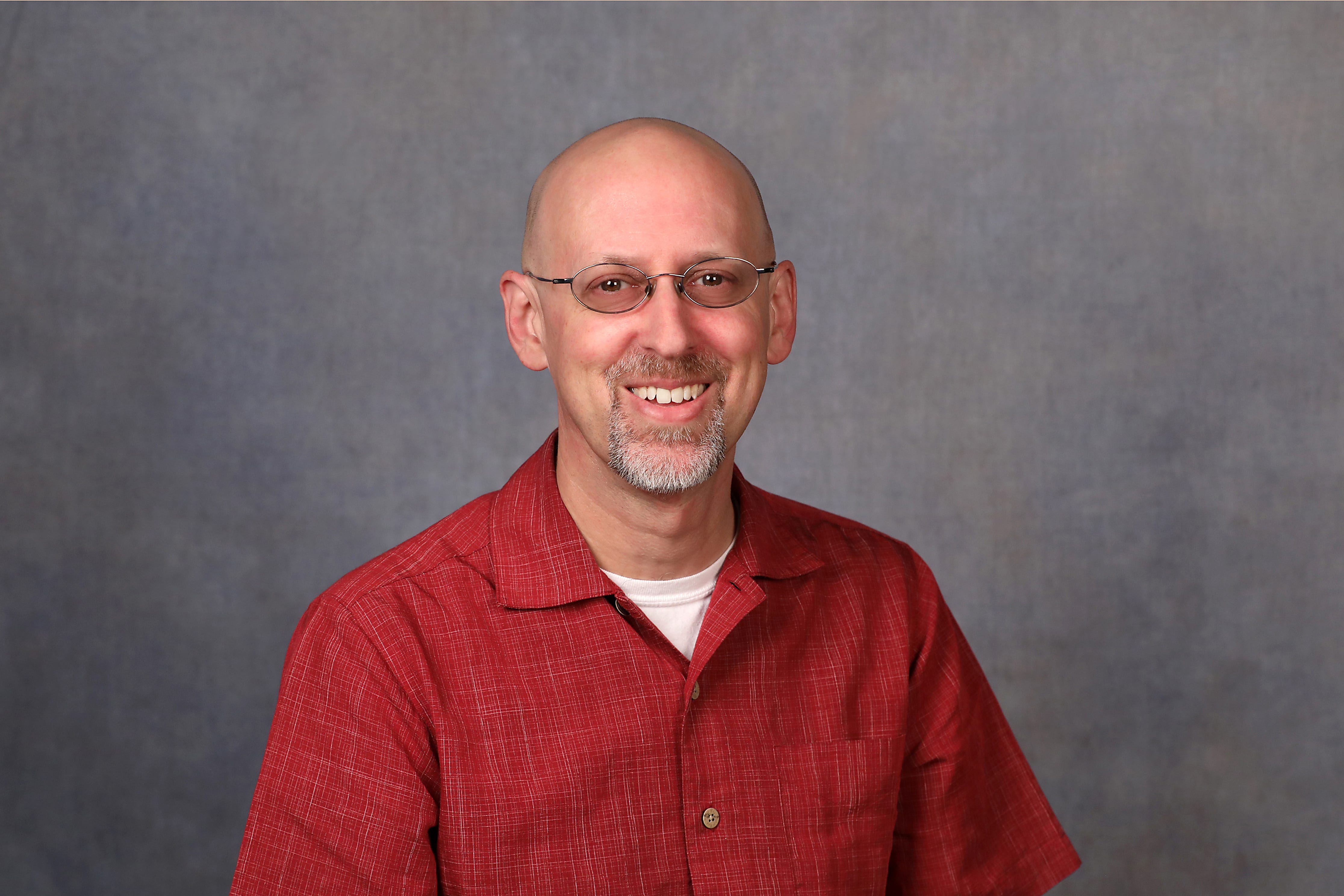
To learn more about Dr. Paradise, you can visit his Davidson profile page: https://www.davidson.edu/people/chris-paradise