


“A situationship is a romantic or sexual relationship whose members have not formally defined it or officially committed to it. The word situationship can also be used to refer to the person one is in a situationship with.” – Merriam Webster Dictionary
It is our concerted opinion that the situationship is certifiably the worst social interaction to be engaged in.
Is this a bold claim that would not garner support from either the whole of the American population or the 2,000-strong student body at Davidson College? We do not think so. Half the country’s young adult population has admitted to entering situationships, with few of these actually converting into long-term affairs. We believe that long-term relationships are the most preferred for any human that rationally seeks to maximise their happiness, and thus opine that situationships are a bad way of optimising this.
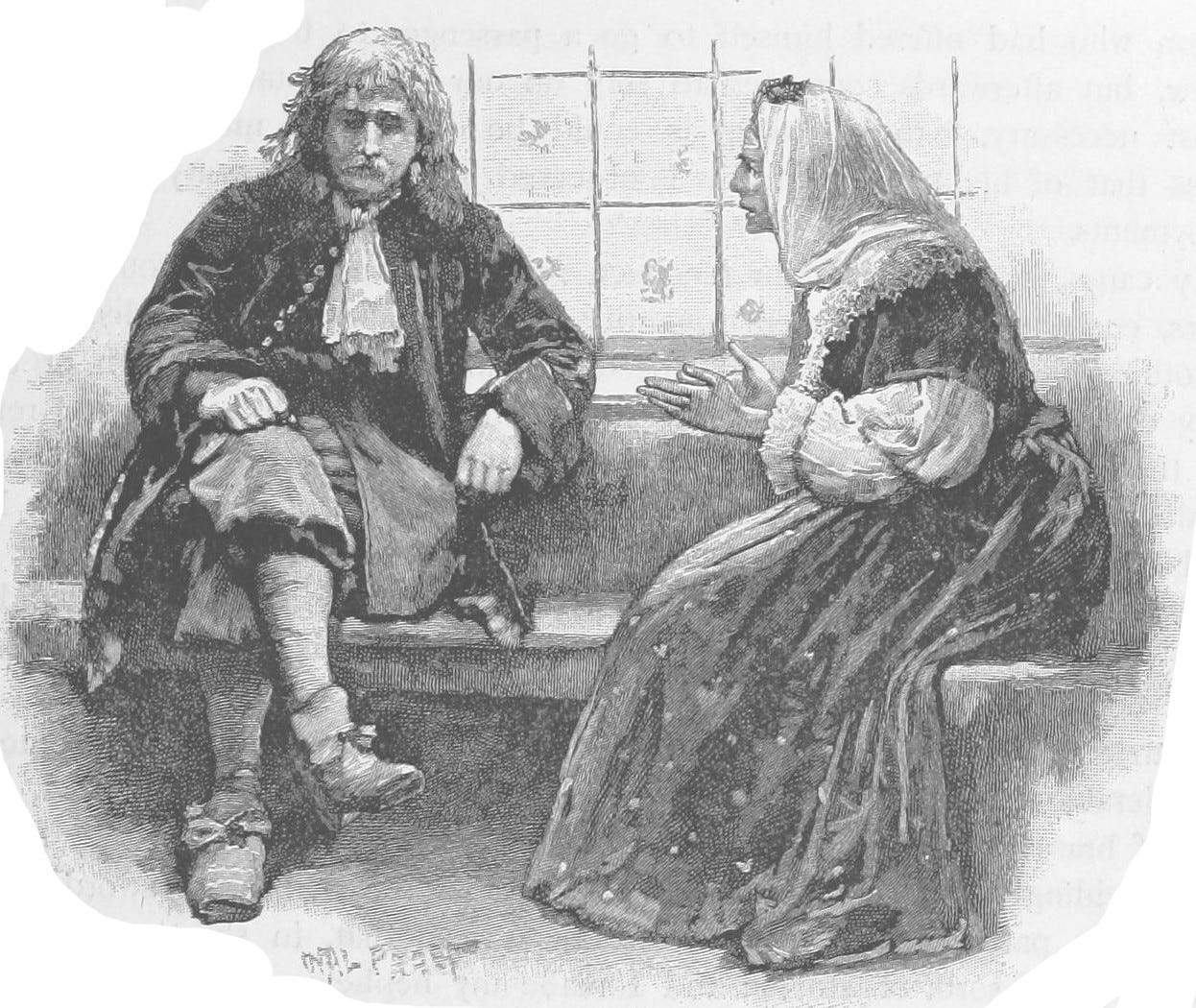
Illustration from "The Life and Strange Surprising Adventures of Robinson Crusoe. With one hundred and twenty original illustrations by Walter Paget." London: Cassell & Co 1896. Courtesy of Wikimedia Commons.
Are statistics, our method of argument, and our underlying assumptions contestable? Sure they are. People don’t want to get into relationships due to a bevy of reasons, and they are the happier for it. But this article isn’t necessarily about — or for — such an uninteresting class of people. Instead, we are determined in determining why situationships are a nightmare for individuals who hope to see themselves in some semblance of a stable relationship, keeping personal experiences aside.
Specifically, we hope to apply formal frameworks to explain why the situationship is a harrowing experience that leads to the worst result possible for the unfortunate duo of individuals caught up in it. Significant interpersonal conflict, emotional distress, and social costs inflicted on the parties involved in this dyad characterise the dissolution of this equation due to structural reasons. By structural reasons, we imply that the situationship as a model is inherently incapable of resolving the incongruences that ultimately lead to the demise of the quasi-romantic dynamic between the involved parties.
To prove this argument, we — two romantically-pessimistic individuals — will draw upon two models from our respective fields of study, these being political science and physics. For the former, we introduce James Fearon’s bargaining theory of war; for the latter, we exercise the Heisenberg Uncertainty Principle.
See below our respective arguments:
